ICSEC Study Session: How Generative AI Works

Simon Guest

2026-04-01

Agenda

  • About DigiPen
  • Course Details and Syllabus
  • Platform and Tools
  • Demo
  • Q&A

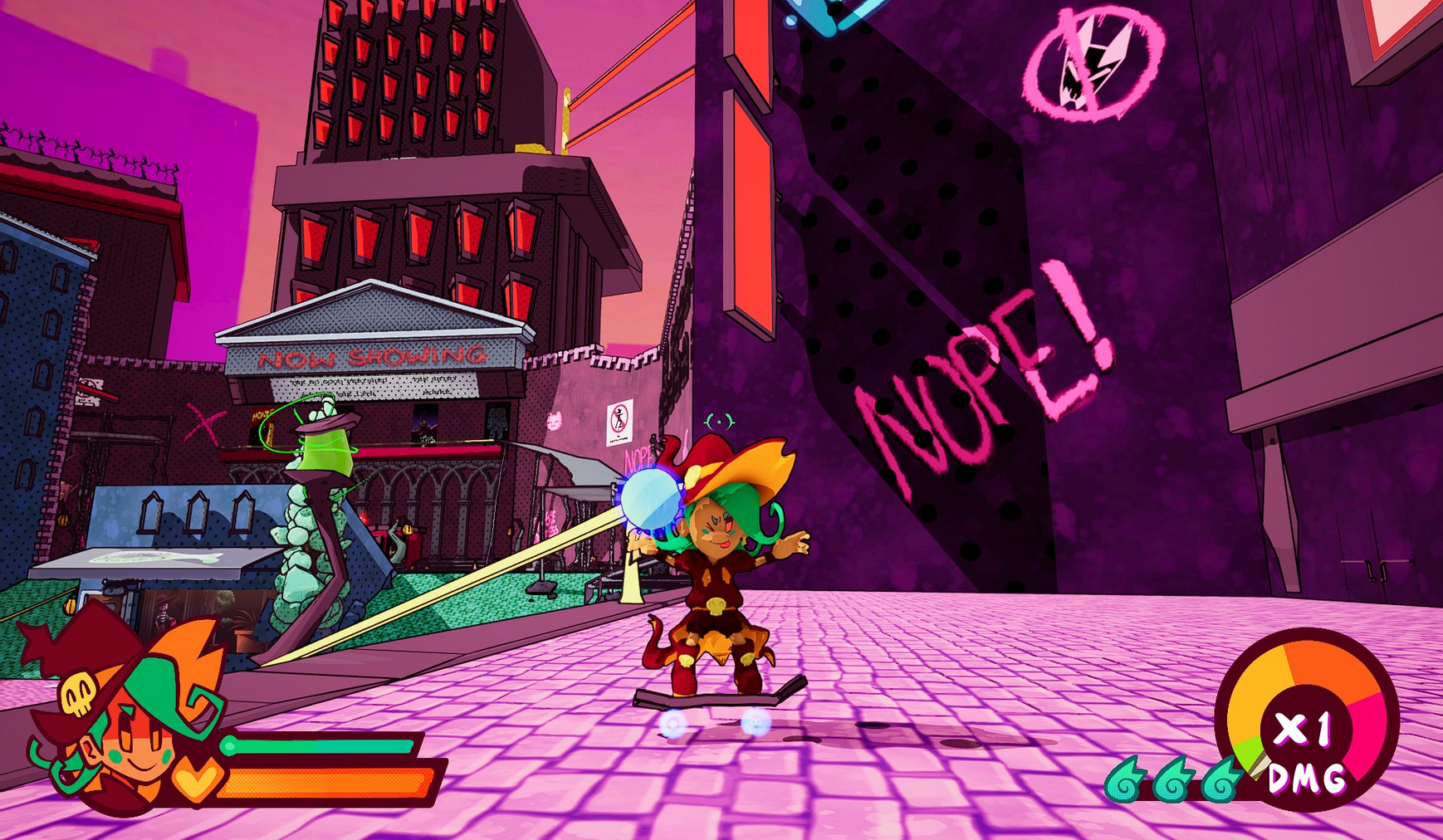
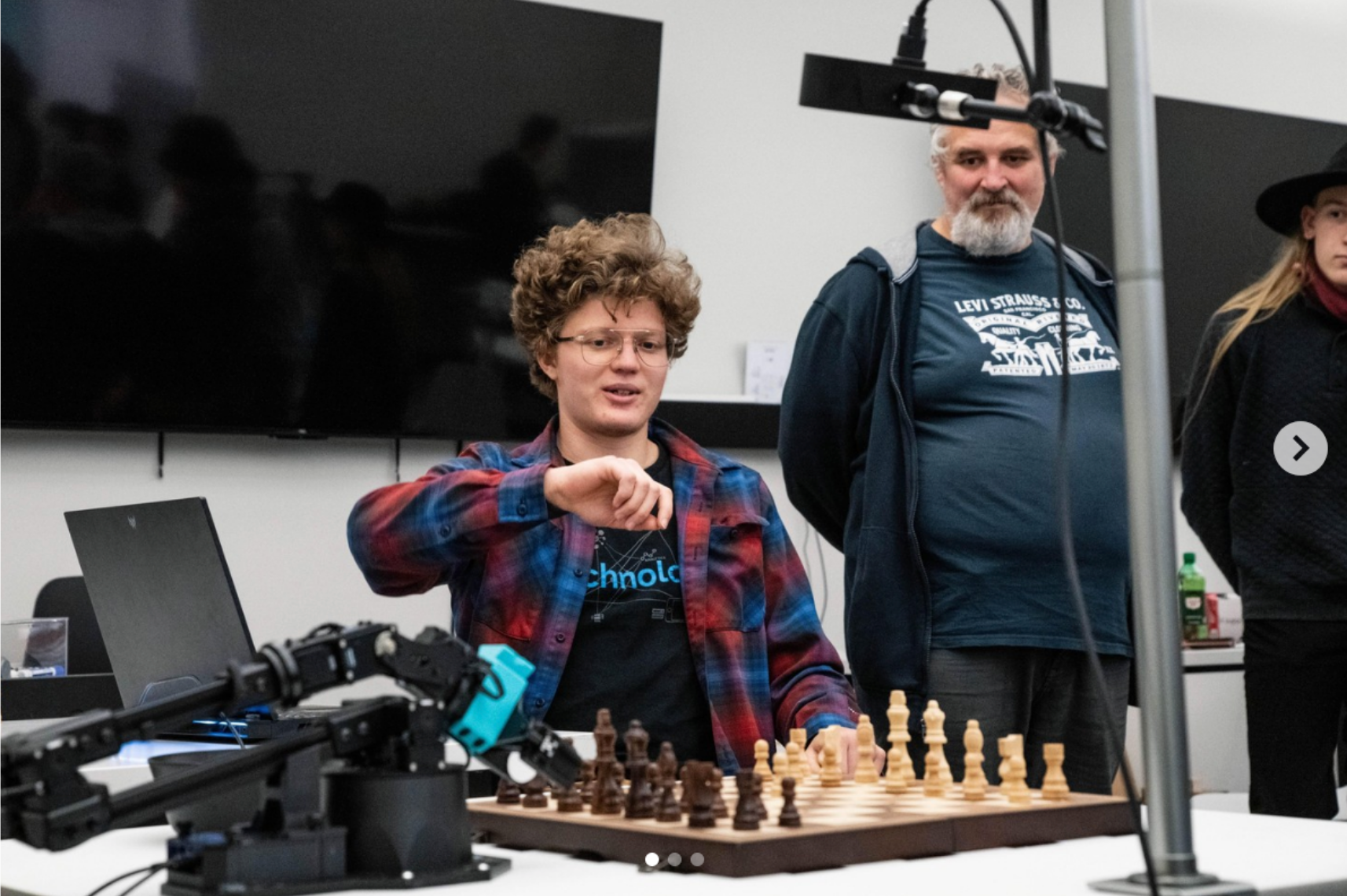
About DigiPen

About DigiPen

  • Founded in 1988
  • First college in the world to offer a bachelor’s degree in video game technology and development
  • Students placed at Microsoft, Amazon, Bungie, EA, and other studios
  • Graduates credited on 2150+ commercial game titles
  • Rated Top Game Design Programs in 2026 by Princeton Review
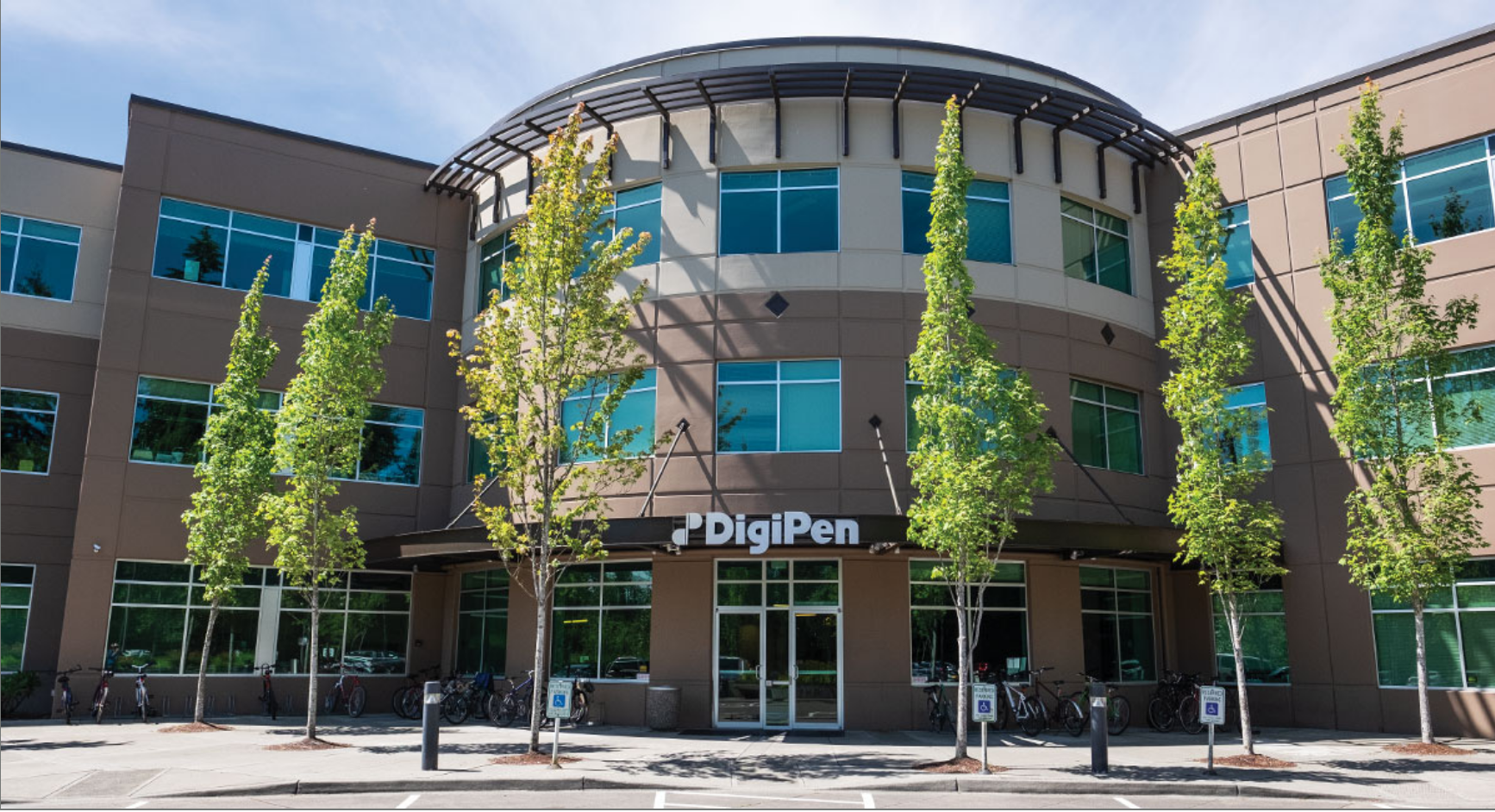
About DigiPen
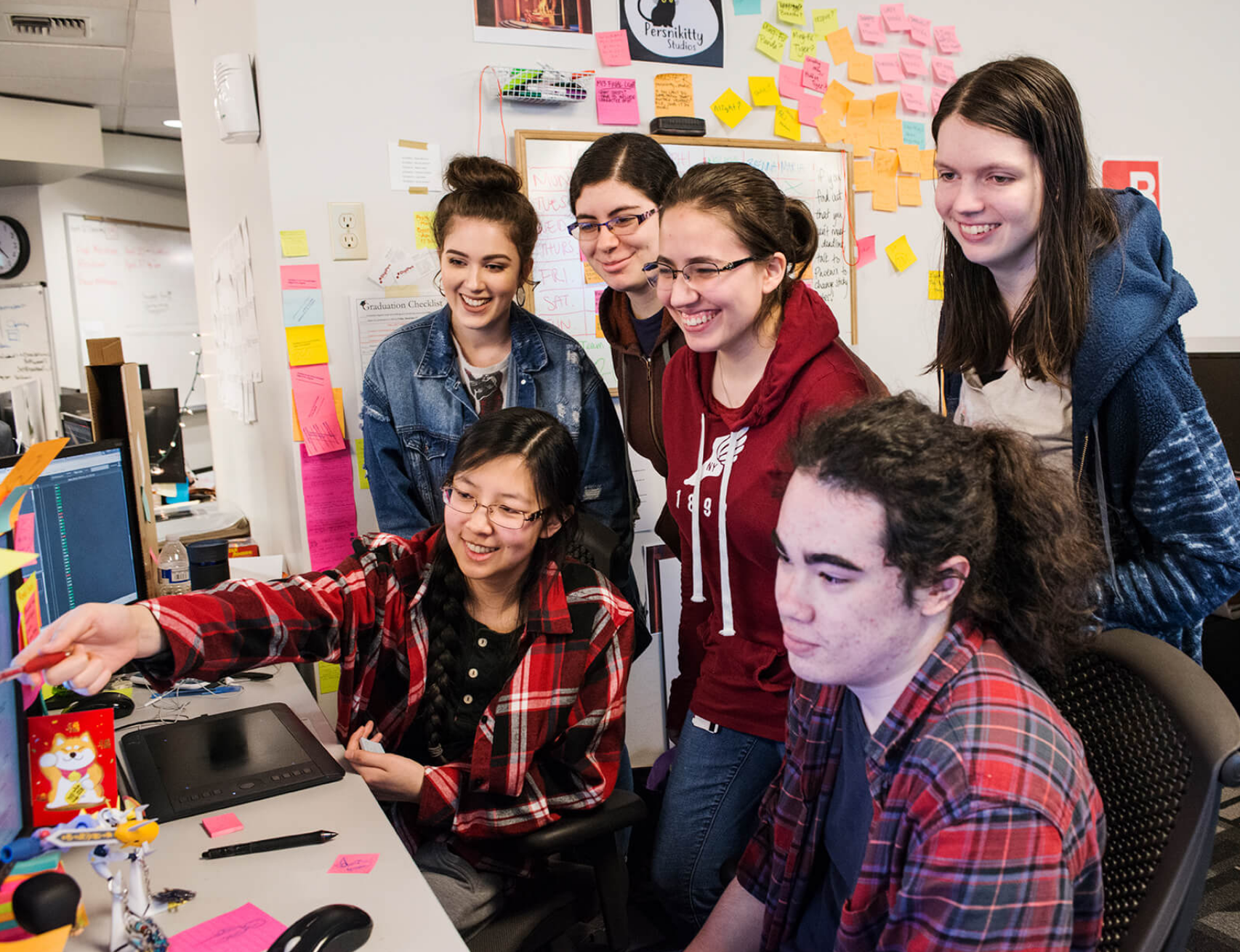
  • Undergraduate Degrees in:
    • Computer Science
    • Digital Art and Animation
    • Game Design and Development
    • Music and Audio
  • Graduate Degrees in:
    • Computer Science
    • Digital Art and Animation

About DigiPen

  • Computer Science
    • BS in Computer Science
    • BS in Computer Science and Artificial Intelligence
    • MS in Computer Science
  • AI-Related Courses
    • ML and AI I & II
    • Deep Learning
    • Computer Science Project

Why a New Course on AI?

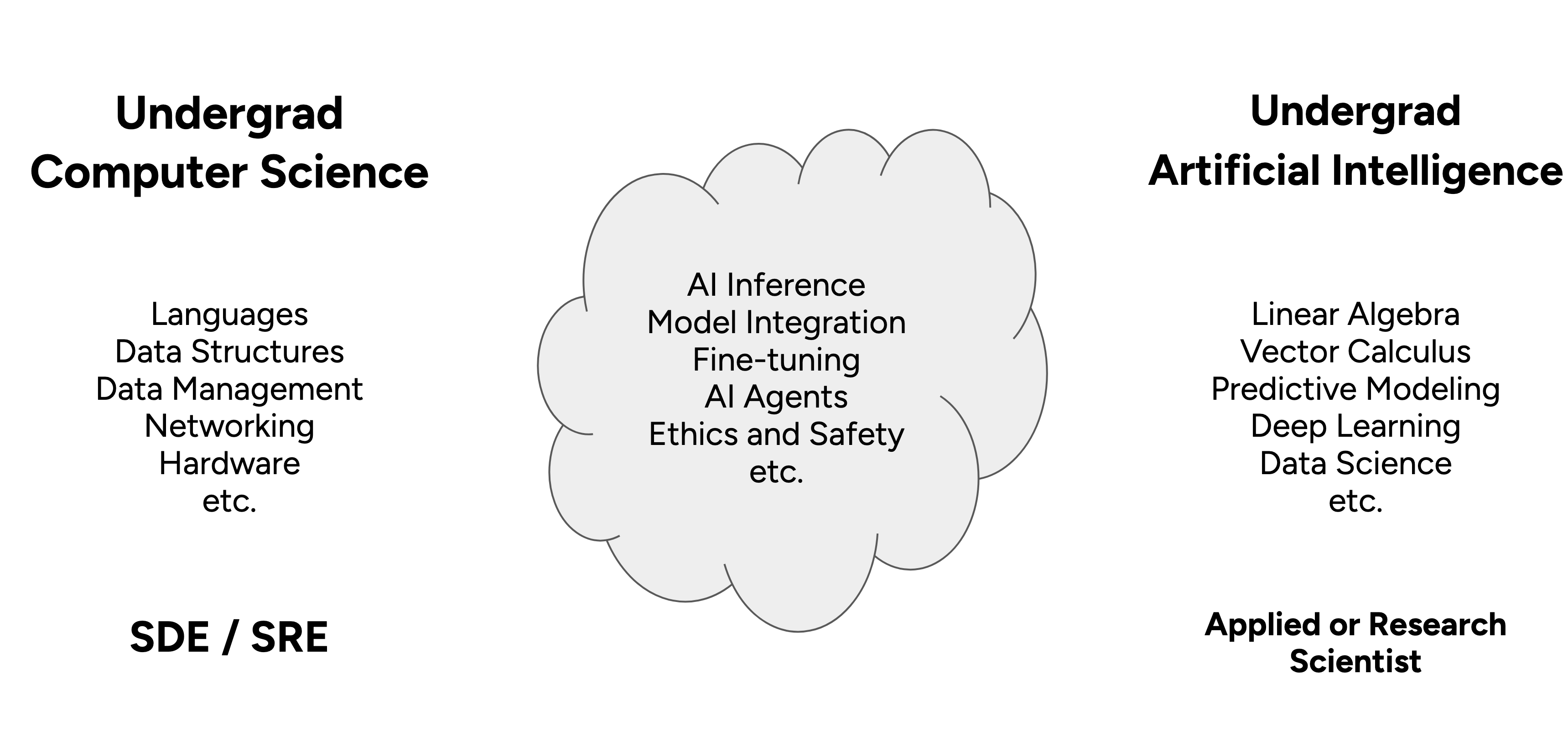
“Vacuum” between CS and AI Curriculum
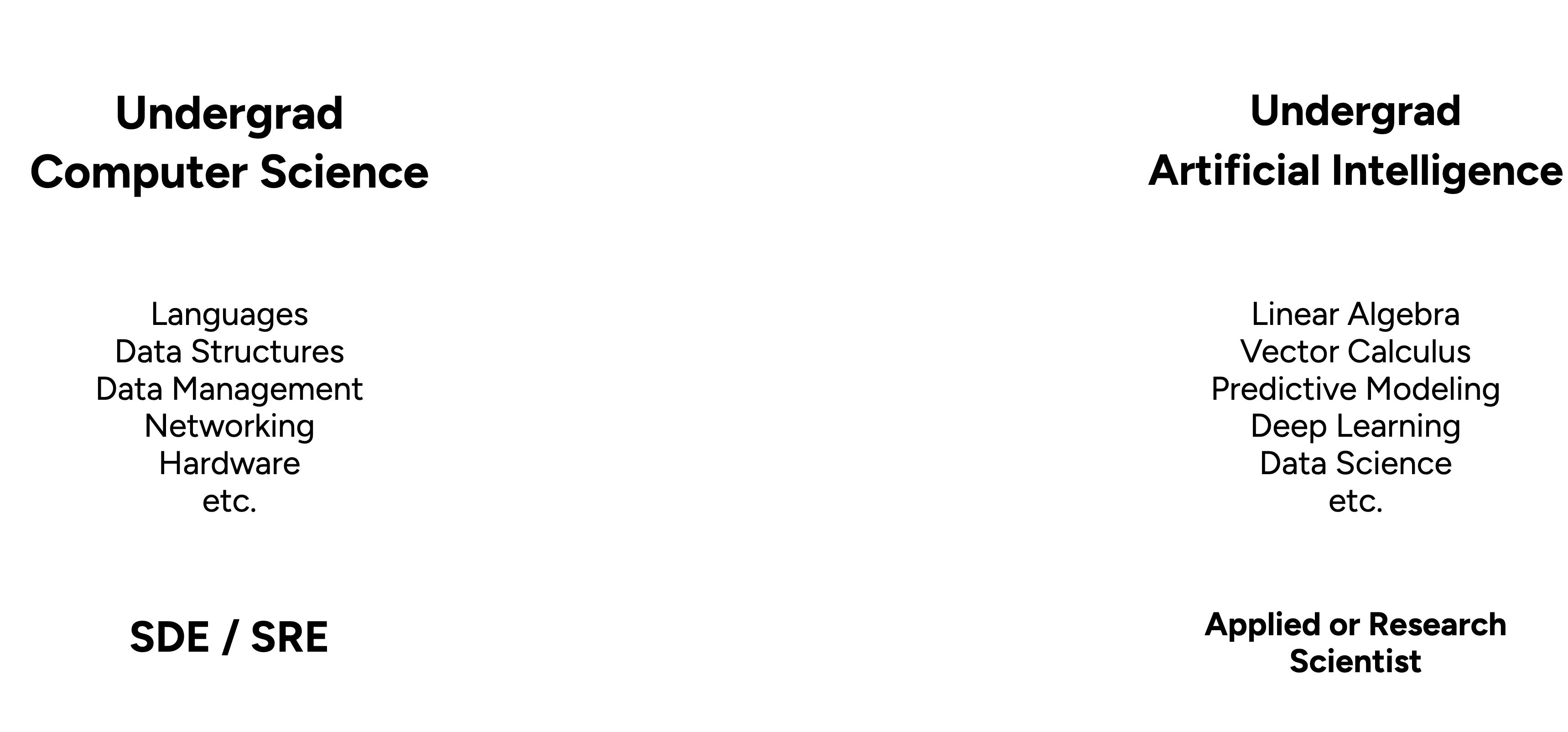
“Vacuum” between CS and AI Curriculum
“Inevitability of Local AI”

  • A future of open-source SLMs (Small Language Models)
    • Vendor costs are heavily subsidized
    • Open-source models are closing the gap to SOTA (e.g., Qwen3.5-35B-A3B)
    • Quantization keeps getting better (e.g., TurboQuant, Unsloth)
    • Hardware advancements (e.g., Apple MLX, Spark DGX)
    • Data never leaves your machine

CS-394/594: “How Generative AI Works”

CS-394 Course Information

  • Junior/Senior (300-level) course
  • Masters (500-level) option
  • 3 credit, 15-week course
  • Weeks 1-8
    • Lecture-based with weekly assignments; 40% of grade
  • Weeks 9-15
    • Project-based; 60% of grade

Learning Outcomes

  • Understand the basic working principles and history of LLMs
  • Create and deploy API-based clients, accessing LLMs hosted by different vendors (OpenAI, Meta, Google)
  • Create AI-based agents and tools based on the MCP (Model Context Protocol) specification
  • Explore and use multimodal models for image and audio recognition and generation
  • Run generative models on local, laptop-based hardware (using CPU, GPU, NPUs)
  • Evaluate and test generative models using industry benchmarks
  • Avoid hallucinations by increasing the accuracy of models through RAG (Retrieval Augmented Generation) and fine-tuning
  • Understand ethical, IP, and safety aspects

Why Would Students Want This?

Knowledge Gap

  • Students use generative AI today, but few know how it works
    • Current AI curriculum focuses on pre-generative techniques and/or much lower level
  • Unanswered questions in game design
    • How do you embed a generative AI model in a game engine as an NPC?
    • What image models could be used to help generate PBR materials in Unity/Unreal?
    • How do audio models work, and could they be used to enhance sound effects?

Ethical, IP, and Safety Concerns

  • Students have a lot of questions/concerns
    • How are today’s models trained?
    • What is the environmental impact?
    • How safe/unsafe are models for consumers?
    • What does generative AI mean for me as a programmer | game designer | artist
    • Is AI going to take my job?
  • Goal: Not to take one side or another
    • Provide the constructs and knowledge so that students can reach their own conclusions

Changing Job Market

  • Open positions (non-Tech roles) mentioning AI skills have increased 800% since the launch of ChatGPT 1
  • 50%+ of tech jobs now require AI skills 2
    • An increase of 9800bps over the past 12 months
  • Advertised salaries 28% higher (for one AI skill) and 43% higher (for more than one)

Student Feedback

Student Feedback

  • “Test lectures” in Fall 2025 semester
    • Abridged versions of the modules, no hands-on activities
    • “AI Agents”
    • “Generative AI Part 1 (NLP-based models)”
    • “Generative AI Part 2 (Image-based models)”

Student Feedback (n=17)

What did you think of the test Generative AI lectures?

Did you find the topics useful/valuable?

(1=Not at all; 5=Very)
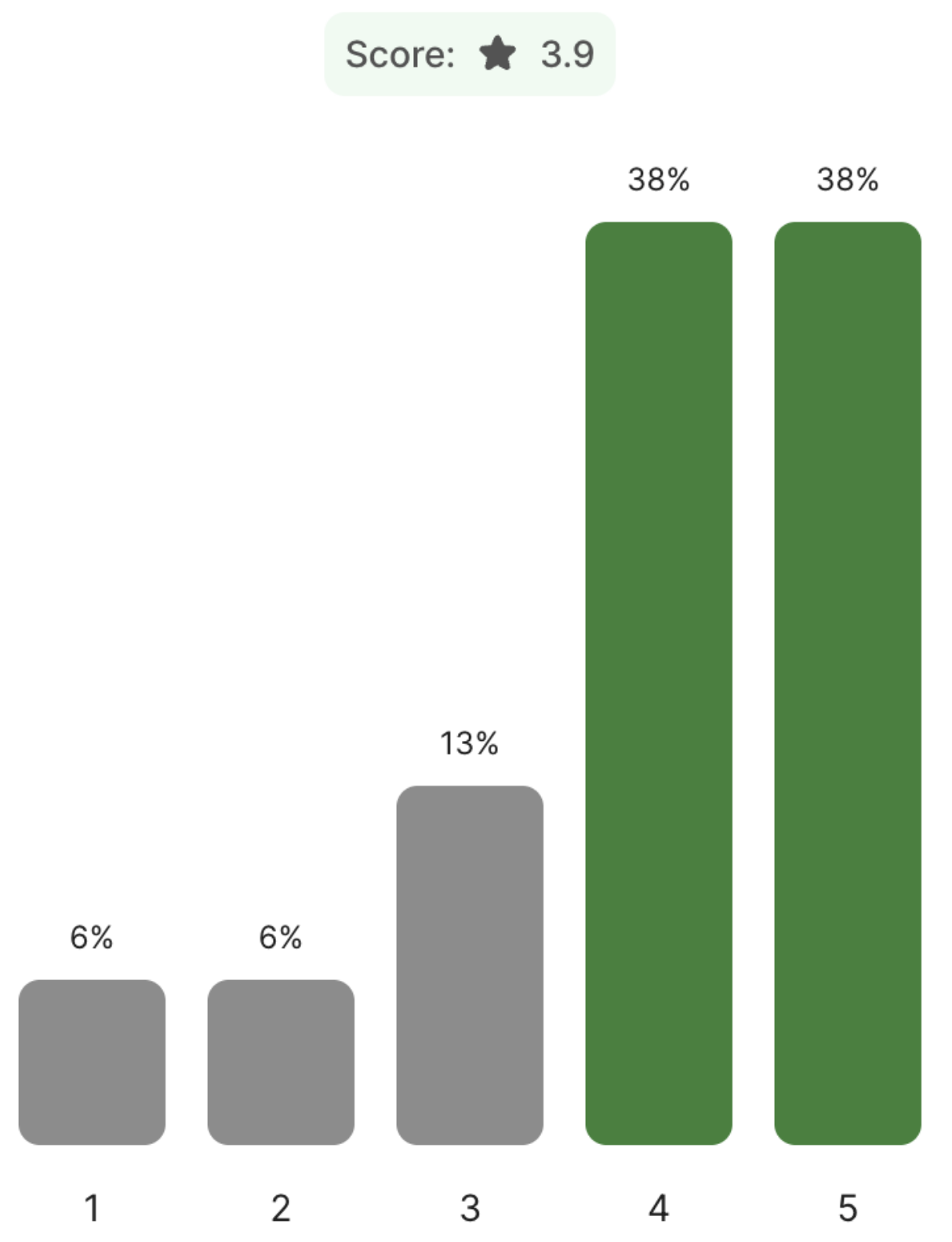
Student Feedback (n=17)

Should DigiPen offer an “Applied Generative AI” course (300-400 level) in the Spring?

Student Feedback (n=17)

  • If the course was offered, what additional topics would you like to see included?
    • Integrating a local model into a game like Unity
    • AI Ethics and intellectual property
    • Workflow creation
    • How GenAI is being used and implemented in the industry
    • Other applications of the technology beyond creative generation
    • RLHF, Fine Tuning, RAG, other techniques and use cases

Syllabus Overview (and thoughts on K-12 mapping)

Week 1: Foundations of Generative AI

  • Explore the history of vector embeddings and tokenization
  • Understand the transformer architecture at a high level
  • Use our first transformer to translate language
  • Cover a brief history of early generative transformers
  • Setup and use Colab, and become familiar with the basics of notebooks and Python

Week 2: Exploring Hosted LLMs

  • Understand the evolution and licensing of models from GPT-2 through to modern day
  • Understand instruction-tuned models, how they work, and how to configure
  • Setup and use OpenRouter for accessing hosted models
  • Understand the OpenAI API specification, the request/response payload, parameters, streaming, and structured output
  • Create and share a chatbot using a Gradio-based UI

Week 3: Agents and Tools

  • Describe the fundamental concepts behind Agents/Agentic AI
  • Explore and provide feedback on an existing multi-agent setup
  • Understand available agent SDKs, how they differ, and advantages/disadvantages
  • Use the OpenAI Agents SDK to build a multi-agent system from scratch, including document indexing and retrieval
  • Understand and implement tool calls and implement using OpenAI’s function calling and via MCP

Week 4: Multimodal Models

  • Understand the fundamentals and history of diffuser models
  • Explore and use models that demonstrate text-to-image, image-to-image, inpainting, outpainting, and ControlNet
  • Setup and use Replicate to create a custom pipeline of production-grade models
  • Understand the fundamentals and history of Vision Encoders and VLMs
  • Implement/test a local VLM model for on-device inference

Week 5: Running Models on Local Hardware

  • Understand the use cases, advantages/disadvantages for running models on local hardware - desktop, web, mobile
  • Understand hardware requirements and architectures for model inference - e.g., CUDA vs. ONNX vs. MLX vs. WebGPU
  • Explore how quantization works and understand techniques and formats for quantizing existing models
  • Use llama.cpp to quantize and run an SLM on local hardware/gaming PC
  • Integrate a quantized model within Unity/Unreal/WebAssembly

Week 6: Increasing Model Accuracy (Pt 1)

  • Understand what leads to hallucinations in models, how models are evaluated, and an overview of techniques to increase accuracy
  • Explore prompt engineering and thinking models
  • Introduce and implement Text-to-SQL and RAG (Retrieval-Augmented Generation) to increase the accuracy of a limited SLM
  • Start exploring model fine-tuning
  • Generate synthetic data for fine-tuning a small language model

Week 7: Increasing Model Accuracy (Pt 2)

  • Use generated synthetic data to fine-tune an SLM using QLoRA
  • Use W&B (Weights & Biases) to observe metrics during the training run
  • Post-training, test and evaluate the accuracy of a fine-tuned model
  • Merge, quantize, and upload a model to Hugging Face to share with others
  • Create a model card for a newly fine-tuned model

Week 8: Ethics, IP, and Safety

  • Explore ethical, IP, and safety implications, examples, and potential mitigations, connecting back to prior modules
  • Discuss each area in depth and share different perspectives as a group
  • Research a theme or media claim and author a paper confirming or challenging it

Final Project

Weeks 9-15: Final Project

  • Students develop and present a final project using concepts learned in the course:
    • Integration of AI Models (10%)
    • Functionality (10%)
    • Innovation and Creativity (10%)
    • Ethical Analysis (10%)
    • Presentation (20%)

Platform and Tools

Platform and Tools

  • Quarto (quarto.org) to create curriculum (slides, assignments, resources, etc.):
    • Everything is Markdown; supports LaTex
    • Strong citation/bibliography feature
    • RevealJS for slides
    • Integration with Python and notebooks (e.g., notebook cells can be dynamically embedded within slides)
    • Hosted for students on GitHub pages

Platform and Tools

  • Hands-on exercises and weekly assignments completed using Google Colab
    • Industry-standard toolset
    • Access to GPUs and TPUs for inference and training
    • Model download happens between cloud vendors (vs. the campus network)
    • Easy to share notebooks in-class
    • Generous (free*) GPU limits for students and educators

Demo

What’s Next?

What’s Next?

  • Updating curriculum for next semester
    • New models and techniques
    • Adding dedicated module on audio (TTS, SST, Omni)
  • Searching for international guest lecture opportunities
    • Summer timeframe
    • Current undergrad and/or masters CS/AI courses
  • Considering “How AI Works for STEM Educators”
    • Condensed version of materials, designed for educators

Thank You!